
AI in writing is capturing everyone’s attention. So, let’s break it down. At its core, artificial intelligence in this space refers to using tech to perform tasks like analyzing language, suggesting edits, or even generating content. It’s like having a smart assistant that helps you with research, drafting, and polishing your text.
Tech is racing forward at lightning speed. Over the years, AI has evolved from simple text predictions to sophisticated software that can create entire articles, stories, or reports. These tools are getting progressively smarter, learning from huge datasets to improve their writing abilities day by day.
AI’s impact on the content creation industry is huge. It’s reshaping how writers, marketers, and businesses communicate with their audiences. By automating routine tasks, it allows people to focus on creativity and strategy. Companies are buzzing about this tech, aiming to churn out content that’s not only faster but also more targeted and personal.
Creating people-first content is the goal, and AI is here to lend a hand. By analyzing data on what audiences connect with, AI solutions can suggest what type of content resonates best. The key is to use AI as a tool to understand intentions without losing that human touch that readers appreciate.
If you’ve ever stared at a blank page waiting for inspiration to strike…
If you’ve ever had 20 ideas in your head but couldn’t organize them into something usable…
If you’ve ever thought “I know what I want to say, I just can’t get it out cleanly”…
Then AI is about to become one of the most useful tools in your creative life.
Not as a replacement for you.
Not as a shortcut to avoid thinking.
But as a creative partner, amplifier, and clarity engine.
This guide from quevoria is here to show you exactly how to use AI for writing and content creation
—practically, ethically, creatively, and effectively. Whether you’re a blogger, creator, marketer, student, novelist, or someone just trying to get ideas out of their head and onto the page, this is your full roadmap.
We’ll cover:
- What AI is (and isn’t) in the writing process
- How to use AI at every stage of creation
- Real use cases and workflows
- Common mistakes and how to avoid them
- How to keep your voice and originality
- And how to turn AI into a genuine creative advantage
No hype. No fluff. No “AI will change everything” nonsense.
Just grounded, useful guidance.
Let’s get into it
How AI Transforms Research and Idea Generation
AI is shaking up how we tackle research tasks. Instead of getting lost in countless web pages or hulking stacks of documents, AI tools do the heavy lifting. They quickly sift through information, pulling up relevant data and fresh insights, saving tons of time for more creative pursuits.
Brainstorming isn’t just a solo gig anymore. With AI-assisted brainstorming, you’re getting a digital buddy that opens up a world of new ideas. These tools tap into massive stores of information and trends, presenting suggestions that might not appear in a standard brainstorming session.
Understanding what makes an audience tick is key for any content creator. AI can deep-dive into audience preferences, analyzing behaviors and trends to tailor content specifically for them. It’s like having your finger on the pulse of reader interest at all times.
Human creativity is irreplaceable, but that doesn’t mean AI can’t amp it up. It’s all about balance. Use AI for the groundwork, while intuition and creativity take the lead in crafting content that speaks to people’s hearts. AI handles the data; you handle the magic.

What Does It Actually Mean to “Use AI for Writing”?
Before we get tactical, let’s clear up one massive misconception:
Using AI for writing does NOT mean letting AI write everything for you.
That’s the fastest way to:
- Lose your voice
- Create generic content
- Burn trust with your audience
- And end up with soulless, disposable writing
The real power of AI is in assistance, not substitution.
Think of AI as:
- A brainstorming partner
- A structural editor
- A clarity tool
- A momentum engine
- A creative mirror
You are still the driver. AI just helps you steer better and faster.
When used correctly, AI helps you:
- Get unstuck
- See angles you missed
- Organize chaotic thoughts
- Explore ideas quickly
- Refine and sharpen your message
When used lazily, it gives you bland, generic, “sounds nice but says nothing” content.
This guide is about the first version.
Crafting Compelling Content with AI Tools
Drafting content has never been easier, thanks to AI’s editing and proofreading skills. These tools help catch those tricky grammar slips and awkward phrasing, letting you polish your text to perfection. Consider AI as your digital writing buddy that doesn’t just knock out first drafts but turns them into polished pieces.
Style and readability can make or break content. AI’s here to help streamline the language, ensuring that the tone and complexity match the intended audience. With AI, your content can hit that sweet spot where clarity meets engagement.
In a global world, language shouldn’t be a barrier. AI-powered translation tools break down linguistic walls, offering quick and fairly accurate translations. This makes it easier to connect with readers around the world without losing the essence of your message.
Originality is essential in writing. AI tools can check your work for originality, helping avoid accidental plagiarism. This keeps your content fresh and authentic, keeping your credibility intact.
If you want a broader breakdown of the AI platforms creatives use most — including writing, design, and idea generation tools — explore The Ultimate Guide to AI Tools for Creatives, where we compare options and explain how they fit into different creative workflows.

The Modern Writing Process (and Where AI Fits In)
Most writing—whether people realize it or not—moves through these stages:
- Idea generation
- Clarifying the angle
- Structuring the piece
- Drafting
- Rewriting and refining
- Polishing for tone and clarity
AI can help at every single stage—if you use it intentionally.
Let’s walk through each one.

1. Using AI for Idea Generation (Without Becoming Generic)
This is where most people start, and also where most people go wrong.
They type:
“Give me blog ideas about fitness”
And then wonder why the results are boring.
The secret is context and constraints.
Instead of:
“Give me ideas for writing”
Try:
“Give me 20 blog post ideas for beginner writers who struggle with confidence and consistency, focusing on mindset, discipline, and creative flow.”
Now AI has:
- An audience
- A problem
- A tone
- A direction
Powerful Ways to Use AI for Ideas
- Generate angles, not just topics
- Ask for contrarian perspectives
- Explore emotional hooks
- Look for beginner pain points
- Dig into specific scenarios
Examples:
- “What are common struggles new writers face but rarely talk about?”
- “Give me 10 unconventional article ideas about creativity and discipline.”
- “What are some emotional obstacles that stop people from writing consistently?”
This is how you get ideas that feel human, not robotic.
2. Using AI to Clarify What You’re Actually Trying to Say
One of the most underrated uses of AI is clarity.
A lot of people don’t struggle with ideas.
They struggle with articulation.
You know what you mean.
You just can’t get it cleanly onto the page.
This is where AI shines.
You can dump messy thoughts like:
“I’m trying to explain that people shouldn’t rely on motivation, but more on systems and identity, but without sounding preachy or generic…”
And AI can help you:
- Reframe it
- Simplify it
- Sharpen it
- Clarify the core message
You’re not outsourcing thinking.
You’re distilling it.
This is especially powerful for:
- Philosophy-based writing
- Personal development
- Creative essays
- Brand messaging
- Manifestos and mission statements
AI becomes a thinking partner, not a writing crutch.
3. Using AI for Structure (So Your Writing Flows)
Structure is where a lot of good ideas die.
People either:
- Ramble
- Jump around
- Lose the reader
- Or bury the good stuff under clutter
AI is extremely good at:
- Creating outlines
- Organizing sections
- Suggesting logical flow
- Improving progression
You can ask:
“Help me structure a guide about using AI for creativity, starting with mindset, then tools, then workflows.”
Or:
“Turn these bullet points into a logical article outline.”
This saves you:
- Mental energy
- Time
- And frustration.
And it lets you focus on expression, not architecture.

4. Using AI to Draft (Without Losing Your Voice)
This is the part everyone is obsessed with.
Yes—AI can draft.
Yes—AI can write paragraphs.
Yes—AI can create full articles.
But the real skill is in direction.
The difference between:
“Write a paragraph about creativity”
and:
“Write a warm, grounded paragraph about how creativity often shows up after we stop forcing it, in a reflective, human tone.”
…is massive.
AI mirrors the quality of your instruction.
Best Practices for AI Drafting
- Give tone guidance (casual, thoughtful, bold, etc.)
- Give audience context
- Give emotional direction
- Give constraints
Instead of letting AI replace you, use it to:
- Get a first pass
- Break inertia
- Fill in rough sections
- Explore phrasing options
Then you edit.
Always.
Your voice is the value. AI is the assistant.
5. Using AI for Rewriting and Refinement
This is where AI becomes quietly powerful.
You can use it to:
- Simplify dense sections
- Improve flow
- Reduce repetition
- Sharpen clarity
- Adjust tone
Examples:
- “Rewrite this to be clearer and more conversational.”
- “Make this paragraph more confident without sounding arrogant.”
- “Shorten this while keeping the meaning.”
This is essentially having an on-demand editor.
And if you’ve ever paid for editing services, you know how valuable that is.
6. Using AI for Tone, Voice, and Style Control
One fear people have is:
“If I use AI, everything will sound the same.”
That only happens when people give it no stylistic guidance.
You can absolutely shape voice.
You can say:
- “Write this in a calm, grounded tone.”
- “Make this sound more bold and assertive.”
- “Use a reflective, almost philosophical style.”
- “Write like a friendly mentor, not a lecturer.”
AI is extremely responsive to style direction.
If you feed it your tone, it will follow.
This is how you keep your identity intact.

7. Using AI for Different Types of Writing
Let’s get practical. Here’s how AI fits into different writing categories.
Blog Writing
AI helps with:
- Outlines
- Section drafting
- Expanding ideas
- Improving flow
- SEO-friendly structure
You still bring:
- Experience
- Opinion
- Personality
- Insight
This is the sweet spot for AI + human collaboration.
To see exactly how to do this in practice, check out our guide on AI for bloggers: how to write blog posts without losing your voice, where we break down workflows, prompting techniques, and editing strategies that preserve originality.
Creative Writing (Stories, Poetry, Fiction)
AI is not here to replace your imagination.
But it is excellent for:
- Plot brainstorming
- Character development
- Scene expansion
- Dialogue experiments
- Alternative endings
You can ask:
- “What are 5 possible ways this scene could unfold?”
- “Help me deepen this character’s backstory.”
- “Rewrite this dialogue to be more tense.”
Think of AI as a sandbox for ideas.
Non-Fiction & Educational Content
This is where AI is incredibly efficient.
You can use it to:
- Simplify explanations
- Structure lessons
- Create examples
- Generate analogies
- Break down complex topics
You still need to:
- Verify accuracy
- Add nuance
- Inject personality
But as a learning assistant? It’s gold.
Marketing & Copywriting
AI works well for:
- Headline variations
- Hook ideas
- CTA testing
- Value proposition refinement
- Email drafts
The key here is editing for authenticity.
AI can get you 70% there.
You bring the edge.
Social Media Content
AI is great for:
- Caption ideas
- Post hooks
- Thread outlines
- Content repurposing
You can feed it:
“Here’s a blog post—turn this into 5 Instagram captions and 3 tweet ideas.”
Huge time saver.

8. Real-World AI Writing Workflows
Let’s make this concrete.
Here’s what an AI-assisted workflow might look like:
Example: Writing a Blog Post
- Brainstorm angle with AI
- Clarify message with AI
- Generate outline with AI
- Draft sections with AI assistance
- Rewrite in your voice
- Polish and finalize
This is not lazy.
This is efficient.
You’re still thinking. Still deciding. Still shaping.
AI just removes friction.
Example: Creative Essay or Personal Piece
- Dump raw thoughts into AI
- Ask for themes and patterns
- Identify the emotional core
- Structure the piece
- Write it yourself with AI refinement
This can be incredibly powerful for reflective writing.
For a focused look at the platforms best suited specifically for writing, we’ve reviewed the best writing AI tools for writers and content creators, highlighting options that work well for blog posts, articles, and long-form content.
9. Common Mistakes People Make with AI Writing
Let’s save you some pain.
Mistake 1: Letting AI Do Everything
This leads to:
- Generic tone
- Shallow content
- No emotional depth
Fix: Use AI as a tool, not a replacement.
Mistake 2: Giving Vague Prompts
“Write about creativity” = weak output
Specific prompts = strong output
Fix: Always give context.
Mistake 3: Not Editing
AI drafts are drafts.
Not final products.
Fix: Edit like a human.
Mistake 4: Ignoring Voice
If you don’t guide tone, AI will default to “polite corporate blog.”
Fix: Tell it how to sound.

10. How to Keep Your Voice (and Not Sound Like Everyone Else)
This is critical.
Your voice comes from:
- Your opinions
- Your experiences
- Your phrasing
- Your worldview
- Your emotional tone
AI does not have these. You do.
So:
- Inject personal examples
- Add reflections
- Use your natural language
- Break “perfect” structure when needed
Let AI help with:
- Clarity
- Flow
- Organization
You supply:
- Soul
- Perspective
- Meaning
That’s the balance.
11. Ethical & Creative Considerations
A quick but important note.
Using AI does not mean:
- Lying about authorship
- Copying others
- Producing misinformation
- Deceiving audiences
Good practice:
- Use AI as assistance, not deception
- Verify facts
- Add original insight
- Be honest with yourself about contribution
AI is a tool.
Integrity is a choice.
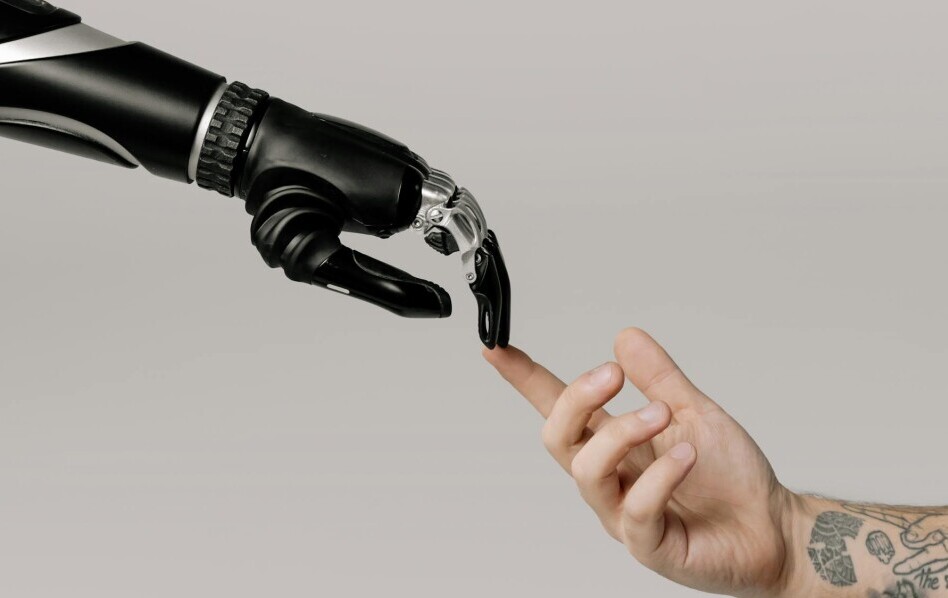
12. The Mindset Shift: From “Writer” to “Creative Director”
One of the biggest upgrades AI gives you is leverage.
You move from:
“I must do everything manually”
to:
“I direct the process.”
You become:
- The strategist
- The visionary
- The editor
- The creative lead
AI handles:
- The heavy lifting
- The repetition
- The structuring
- The rough drafting
You handle:
- The meaning
- The message
- The direction
- The voice
This is a powerful shift.
It allows you to:
- Create more
- Explore more
- Refine more
- And burn out less
13. Using AI When You’re Stuck (The Motivation Factor)
One underrated benefit of AI is momentum.
Sometimes the hardest part is starting.
AI gives you:
- A first sentence
- A rough draft
- Something to react to
And that’s often all you need.
Instead of staring at nothing, you’re editing something.
That’s psychologically huge.
14. Using AI to Build a Consistent Writing Habit
Consistency beats inspiration.
AI helps you:
- Lower resistance
- Reduce friction
- Start faster
- Finish more often
If you struggle with:
- Perfectionism
- Overthinking
- Starting
- Staying consistent
AI can be a bridge.
Not a crutch.
A bridge.
15. The Long-Term Advantage of AI for Writers
Here’s the big picture.
People who learn to use AI well will:
- Create more content
- Iterate faster
- Explore more ideas
- Refine their voice quicker
- Build audiences sooner
Not because they’re cheating.
Because they’re leveraging tools.
Just like:
- Word processors replaced typewriters
- Spellcheck replaced dictionaries
- Google replaced libraries
AI is the next layer.
Those who adapt thoughtfully win.

16.AI Is a Tool, You Are the Artist
AI is not magic.
It’s not creativity.
It’s not consciousness.
It is a mirror and amplifier.
It reflects what you give it.
If you give it:
- Clear thinking → it gives clarity
- Strong direction → it gives structure
- Creative intent → it gives expansion
If you give it laziness, it gives you garbage.
The power is not in the tool.
It’s in how you use it.
Used well, AI becomes:
- A creative partner
- A clarity engine
- A momentum machine
Used poorly, it becomes noise.
The difference is intention.
Ensuring Trust, Reliability, and Quality in AI-Generated Content
Trust is everything when it comes to content, especially with AI-generated material. E-E-A-T is like the gold standard here, reminding us that experience, expertise, authority, and trustworthiness are essential benchmarks for any written piece.
Facts are facts, but verifying them is where the magic happens. When AI dishes out content, ensuring the data is accurate and reliable is super important. Double-checking sources and cross-referencing information helps build content that readers can depend on.
Despite AI’s growing capabilities, human oversight remains critical. A skilled eye can spot nuances, context, and cultural relevance that AI might miss. It’s all about teaming up with tech to produce something truly reliable and engaging.
Being transparent about AI’s role in content creation fosters trust. Readers appreciate honesty, so when AI contributes to content, it’s worth being upfront about it. By doing so, creators build a solid relationship with their audience, based on openness and integrity.
The Future of AI in Content Creation: Challenges and Opportunities
AI is transforming content creation, but what lies ahead? As AI technology continues to evolve, we can expect even smarter tools that offer deeper insights and better content creation capabilities. It’s a space that’s constantly innovating, promising advancements that may redefine what’s possible in writing.
Ethical concerns are a big talking point when it comes to AI-generated content. Addressing issues like authenticity and bias is essential. Creators must remain aware and responsible, ensuring that content is fair and ethically sound.
Collaboration between AI and humans isn’t just a possibility; it’s a necessity. Embracing this partnership can enhance the creative process. By working hand-in-hand with AI, creators can amplify their strengths and produce content that’s both innovative and grounded.
AI’s tools and trends are ever-changing. Staying informed is crucial for anyone who wants to harness the full potential of AI in content creation. By keeping an eye on the latest developments, creators can adapt and refine their strategies, ensuring that they continue to deliver content that’s fresh, relevant, and impactful.